How to Upload a Wav File to Ableton
Importing & Exporting In Ableton Live
Wondering how to export your project as an MP3 file? Not sure how to import parts from ane project to some other? This guide features a series of short tutorials explaining the best means to import and export particular elements of your Ableton projects.
- | How To Import Stems
- | How To Export Stems
- | How To Export As An MP3 File
- | How To Export MIDI
- | How To Import Tracks From Another Project
This is the complete guide to importing and exporting in Ableton.
Without farther goodbye, allow'due south get started!

| How To Import Stems
Importing stems is the first stride to creating an official remix or mixing or mastering a completed project that has previously been bounced to stems. Ableton makes it easy to bulk insert multiple audio files onto individual tracks.
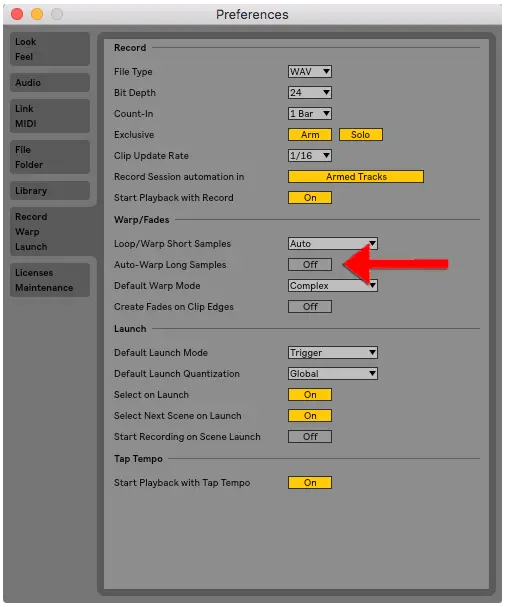
1. Turn Off Auto-Warp Long Samples
Open Live's Preferences and select the 'Record Warp Launch' tab. Next, turn off Auto-Warp Long Samples to ensure your stems playback equally normal and aren't affected by Ableton'south motorcar-warp function.
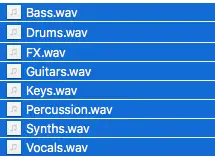
2. Notice Your Stems & Select All
Access your drove of stems from either Ableton's Browser or from Finder on Mac or Explorer on Windows and then select all.
3. Elevate & Drop Your Stems
Drag and drop your stems into the organization view of your Ableton project . Make certain to hold down [Control] on Mac or [CTRL] on Windows to ensure each stem is imported onto its own audio track.
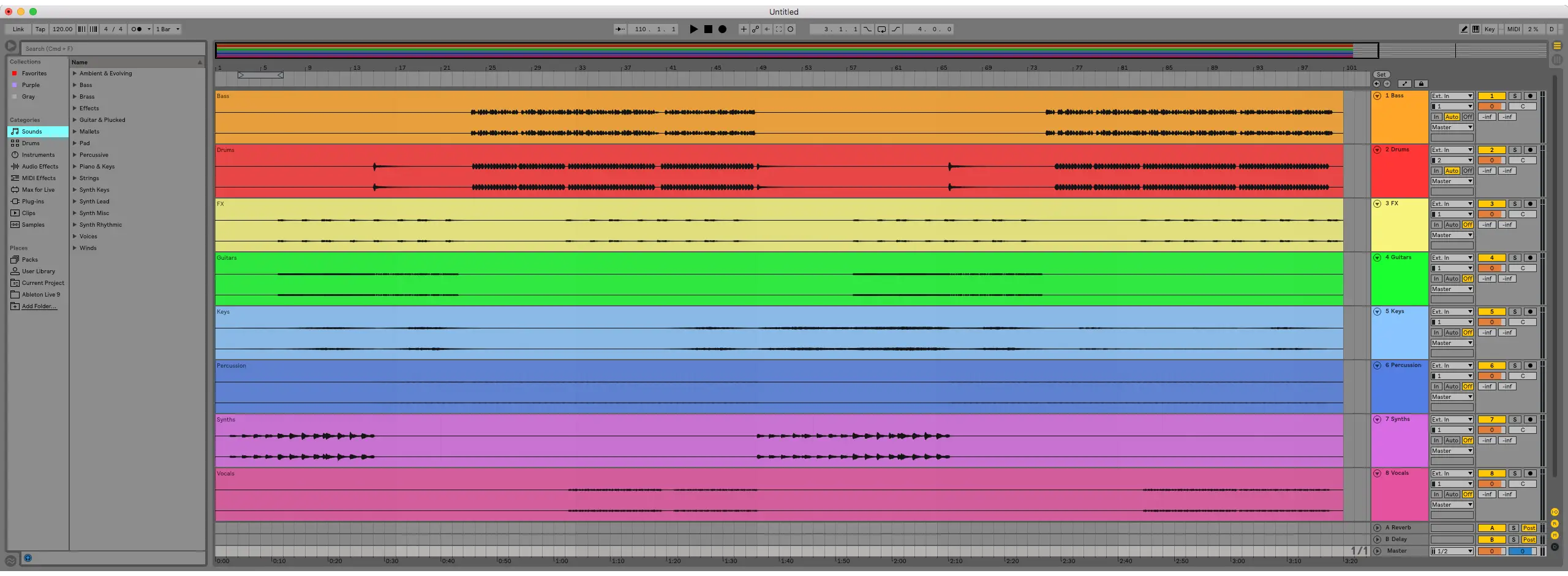
4. Conform The Tempo
Finally, set the tempo of your project to match that of your stems.

| How To Consign Stems
Ableton'due south export window features an impressive stem consign functionality. Providing mix engineers with stems gives them the ability to create the best possible mix-downward or master of your runway. Requite other producers complete artistic liberty to remix your track by providing them with stems. Consign your song's layers into individual audio files past following these simple steps:
i. Open The Export Window
Start by selecting your entire projection by pressing [CMD + A] on Mac or [CTRL + A] on Windows. Next, open the consign window in Alive'southward Preferences or pressing [CMD + Shift + R] on Mac or [CTRL + Shift + R] on Windows.
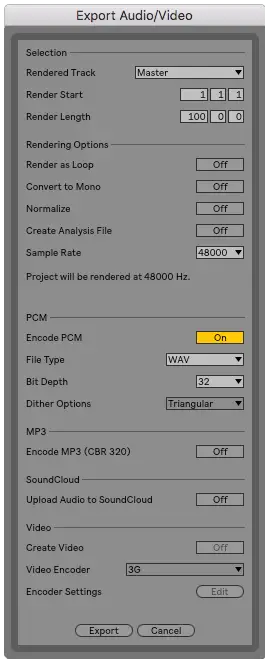
2. Suit The Render Settings
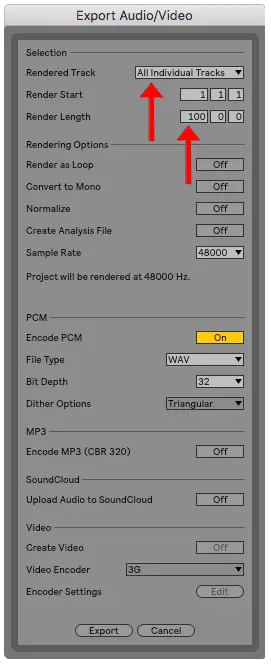
Click the 'Rendered Track' drop-downwards box under the Pick category and set to 'All Individual Tracks'. Ensure that the 'Return Starting time' and 'Render Length' values span the duration of your track. These values are measured in bars and beats.
three. Deselect Settings
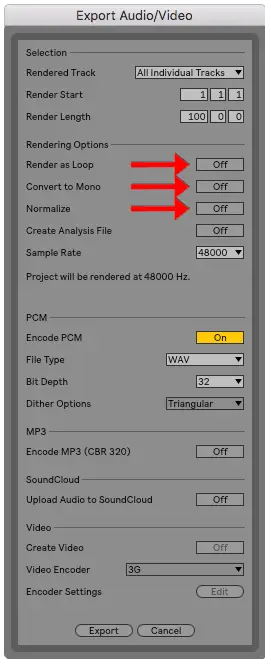
Plow off 'Render As Loop', 'Convert to Mono' and 'Normalize'.
iv. Last Settings
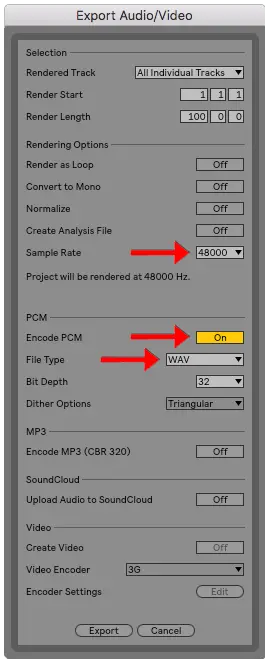
Ensure your 'Sample Rate' is gear up to a minimum of 48,000 samples. Finally, enable 'Encode PCM' and select either WAV or AIFF equally your export file type.
five. Export
Select the 'Export' button then wait for Ableton to save your stems as private audio stems.

• Additional Data
If yous plan on distributing your stems, selecting 'Create Assay File' will save other Live users fourth dimension when they import your stems. Consign your stems at a bit depth of 32 bits to avoid doubling dithering of the audio.
| How To Consign Equally An MP3 File
Ableton but allows users to export uncompressed, maximum quality audio and while an MP3 file is conveniently smaller, the audio quality is not as loftier. Although Ableton does not provide a direct way to export your project as an MP3 file, there are a handful of different ways to catechumen the available export file types (WAV and AIFF) to MP3.
| Online Audio Converters
This method allows for quick and easy conversion of WAV and AIFF files to MP3 without the demand for additional software. Just upload your file, select the output file type then download your vocal in your preferred file type. Using an online audio converter ordinarily doesn't take whatever longer than a few minutes. Search the internet for an Online Audio Converter and find the one that suits yous best.

| Audio Conversion Software
There is a variety of free and paid audio conversion software available online. Using software removes the need to upload and download your vocal which could relieve valuable fourth dimension depending on your cyberspace speed. A simple search on Google or your computer's app store will give you an countless corporeality of options, including the ability to convert your WAV or AIFF file to formats other than MP3.

| How To Consign MIDI
So you lot've created a fantastic melody or chord progression that doesn't quite suit your current project. Ableton makes it possible to export MIDI clips and so yous tin apply your MIDI creations in a time to come production. Below is the best way to create and export a MIDI clip.
ane. Create Your MIDI Prune
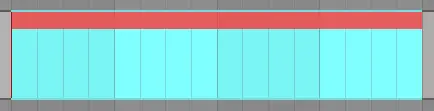
If you have not created ane, create a MIDI track by pressing [COMMAND + SHIFT + T] on Mac or [CNTRL + SHIFT + T] on Windows. Then select the number of bars yous would similar your clip to go for using the arrangement view then press [Command + SHIFT + M] on Mac or [CNTRL + SHIFT + K] on Windows to create a MIDI prune.
2. Create Your MIDI Design
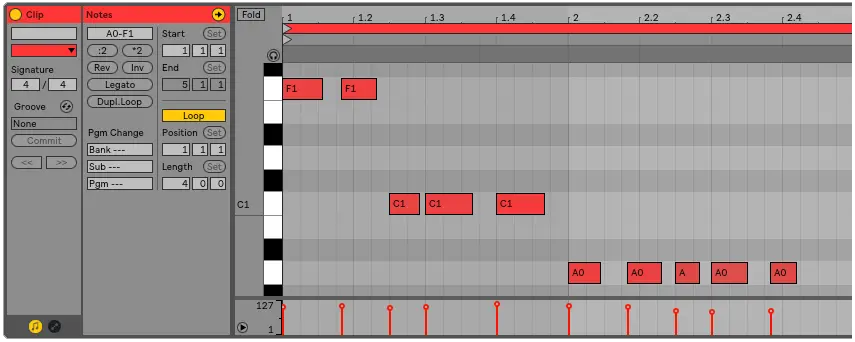
Double-click your new MIDI prune to admission the piano whorl. Record or draw in your melodic, harmonic or rhythmic MIDI pattern.
iii. Export Your MIDI Clip
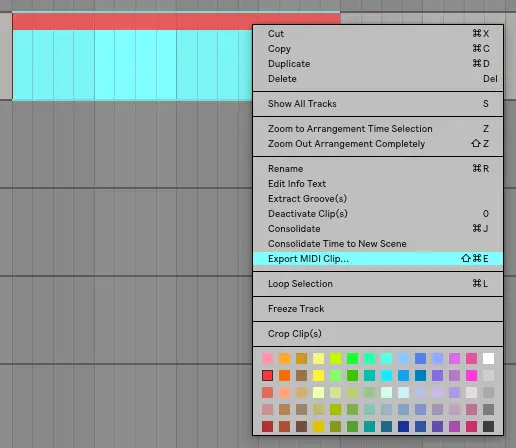
Finally, right-click the colored part of your MIDI clip and select 'Export MIDI Clip.'
| How To Consign MIDI To Audio
If you want to store or distribute your MIDI clips every bit sound or create your own sample packs, you'll demand to know how to export MIDI to audio. Dispense audio, create reverb reverses or simply use your MIDI ideas in future projects by following these simple steps:
1. Select MIDI Prune
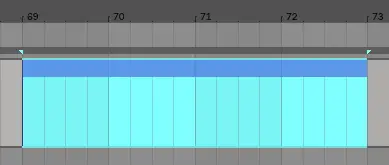
Click on the colored area of your MIDI clip or select the region you lot wish to export to sound.
ii. Solo MIDI Rail
Select the Solo push on your MIDI clip'south track. The Solo button should now appear blue.

3. Export
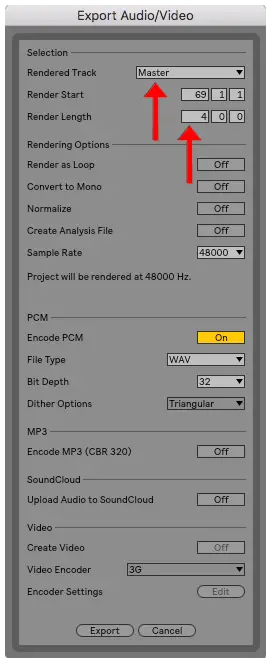
Select the 'File' menu and then click 'Export Audio/Video' or simply press [Control + SHIFT + R] on Mac or [CNTRL + SHIFT + R] on Windows. Ensure the 'Render Offset' and 'Return Length' is equal to the region of your MIDI clip and 'Rendered Track' is set to 'Master'.
| How To Import Tracks From Another Project
Ableton makes it possible for users to quickly and hands integrate elements from your previous projects into your electric current project. Merge projects or import private tracks into your current live set by following the steps beneath:
1. Search For Your Projection
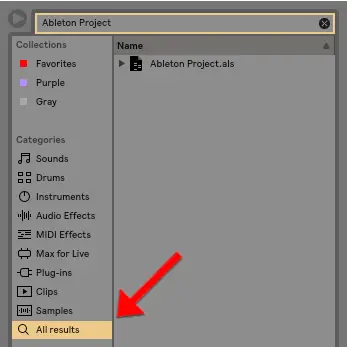
Navigate to Ableton's Browser and search for the title of the project you wish to accept elements from. Make sure to select 'All Results'.
2. Select Tracks
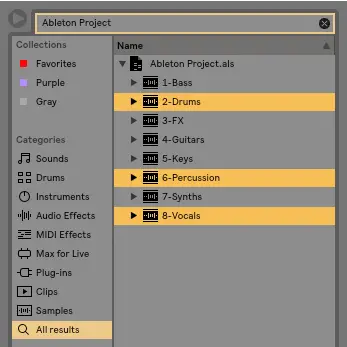
Select the drib-downwards arrow beside your project's title to reveal all the layers of the project. Select a layer or select multiple layers past holding downward [COMMAND] on Mac or [CNTRL] on Windows.
3. Add To Your Current Projection
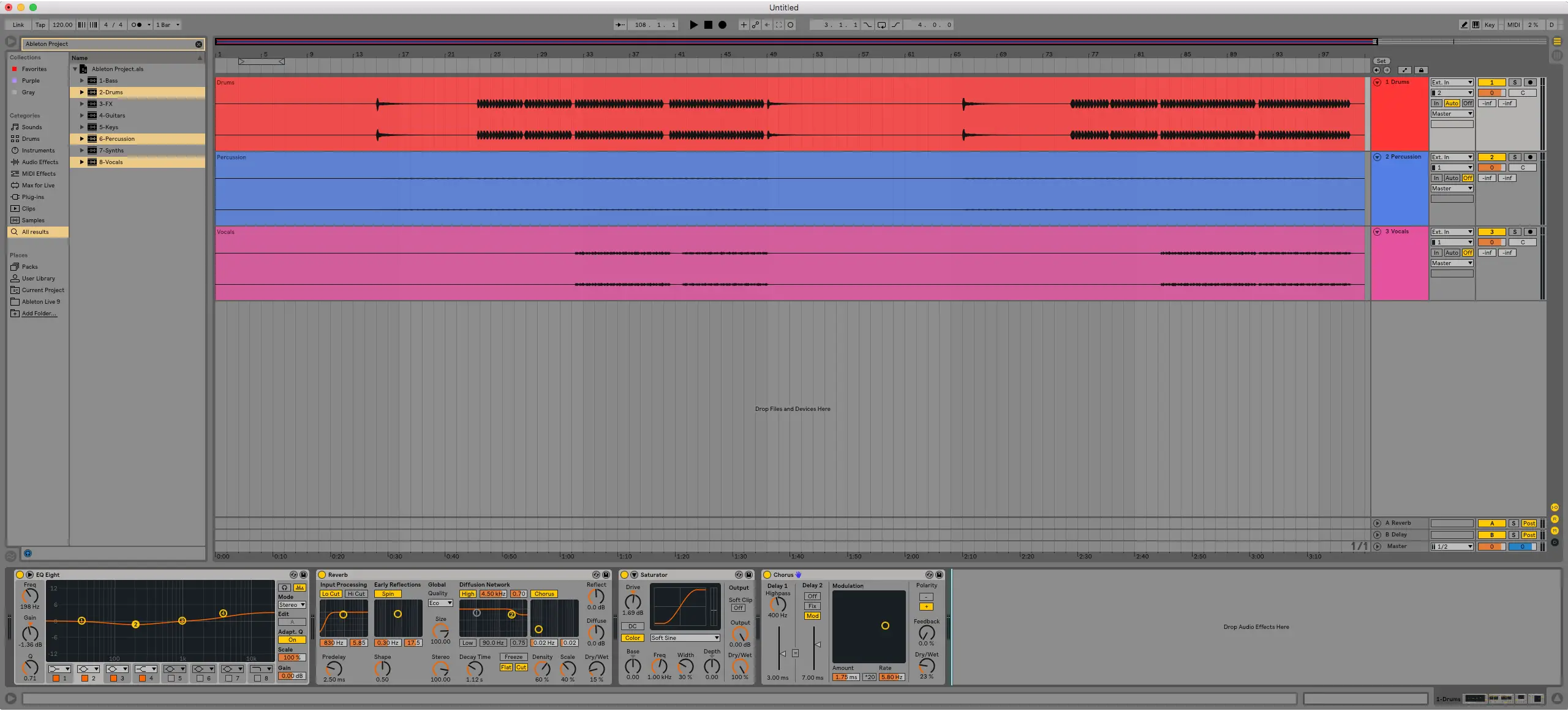
Drag your layer(due south) into your project. They will at present exist added exactly how they appeared in your previous project, including all plugins used.
Want To Know More?
Hither at Live Aspects, we have dozens of useful lessons and tutorials created to enhance your music production skills and assist speed up the learning process. You can admission our huge range of music theory lessons and product tips and tricks here.

Source: https://liveaspects.com/importing-and-exporting-in-ableton/

Post a Comment for "How to Upload a Wav File to Ableton"